Moving an exoskeleton through the mind, mitigating tremors caused by Parkinson’s disease, preventing and treating mental illnesses such as Alzheimer’s, regenerating organs through bioelectricity and enhancing human skills and abilities. The Future Trends Forum experts analyze these and other innovative proposals, as well as the opportunities and challenges, including the ethical and legal aspects involved, with the aim of outlining a promising future in the field of physical and mental health.
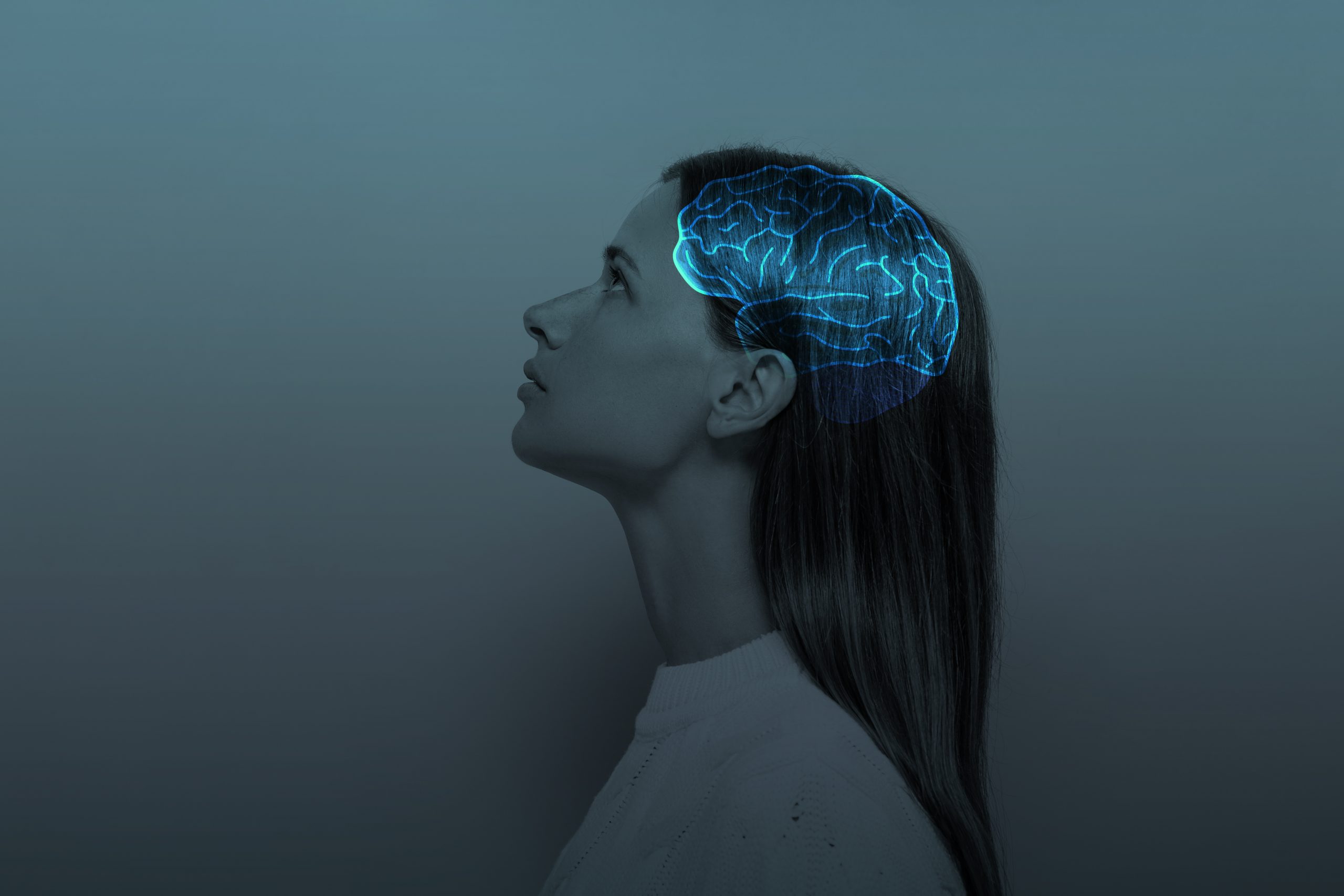
Neurotechnology for human wellness
Neurotechnology for human wellness
Neuroscience and neurotechnology are rapidly evolving, making significant advances that have facilitated a better understanding of how the brain works. These fields have given rise to new technologies, such as advanced brain imaging techniques, which allow scientists to observe the brain in action and understand how information is processed and decisions are made. Through tools such as functional magnetic resonance imaging (fMRI), various diseases and disorders have been studied, from depression to Alzheimer’s, significantly expanding knowledge in these areas.
Additionally, neurostimulation technologies have been developed that use electrical or magnetic pulses to stimulate the brain, offering potential treatments for diseases such as Parkinson’s, epilepsy and depression. Transcranial direct current stimulation (tDCS), for example, has been shown to be effective in improving cognitive performance and relieving symptoms of depression. However, despite these advances, we still face the monumental challenge of understanding the complexity of the brain, an intricate organ with billions of interconnected neurons, which continues to present obstacles to its study and deep understanding.
Antonio Damasio: Neuroscience and Neurotechnology
Neuroscience and neurotechnology are two sides of the same coin: neuroscience lays the foundation for understanding the emotional circuits of the brain, while neurotechnology provides the tools to study these circuits in vivo. Together, these two fields are opening new possibilities for understanding and treating neurological disorders, and for developing new technologies that can improve human cognition and behavior. Prof. Damasio, one of the most prestigious neuroscientists in the world and Patron of the Bankinter Innovation Foundation, summarizes the objectives of neuroscience and neurotechnology: improving longevity in health and the well-being of humanity.

"The objectives of neurotechnologies are to increase longevity, health and well-being of humanity" Antonio Damasio
"The applications of neurotechnology are still in a very early phase: we have the “tip of the iceberg” of what is to come." Alvaro Pascual-Leone

Neurotechnology practical cases
Graphene nanotechnology and neurotechnology
What is explored is the potential of graphene nanotechnology to revolutionize neural interfaces, which are key to understanding and treating neurological diseases, is explored. José Antonio Garrido, Founder and Scientific Director of INBRAIN Neuroelectronics and ICREA and Professor at the Catalan Institute of Nanoscience and Nanotechnology, leads a team that develops graphene-based microdevices to decode brain signals and treat neurological diseases. Graphene could facilitate personalized neuroelectronic therapies, although it still faces regulatory barriers to widespread adoption.
Digital neurotherapy
Professor Javier Mínguez, Co-Founder and CSO of Bitbrain, highlights brain-computer interfaces and artificial intelligence for the prevention and treatment of neurological diseases. Through digital neurotherapy, we seek to move part of the diagnosis and treatment process to the patient’s home, especially in remote areas or for people with reduced mobility.
Magnetic stimulation for Parkinson’s
The Static Magnetic Field Stimulation (SMF) technique presented by Dr. Guglielmo Foffani, researcher and Scientific Coordinator at the Integral Center of Neurosciences HM CINAC, Group Head at the National Hospital for Paraplegics and Co-founder of Neurek seeks to improve the symptoms of Parkinson’s and other brain diseases. Although the exact mechanisms are still unknown, clinical studies show promise in the effectiveness of this technique.
Application of HIFU in neurological disorders
Dr. Mª Cruz Rodríguez, Director of the Department of Neurology at the University of Navarra Clinic, explains how High Intensity Focused Ultrasound (HIFU) can treat symptoms of Parkinson’s and other neurological disorders, offering an alternative to existing treatments such as deep brain stimulation.
Brain dynamics and modeling
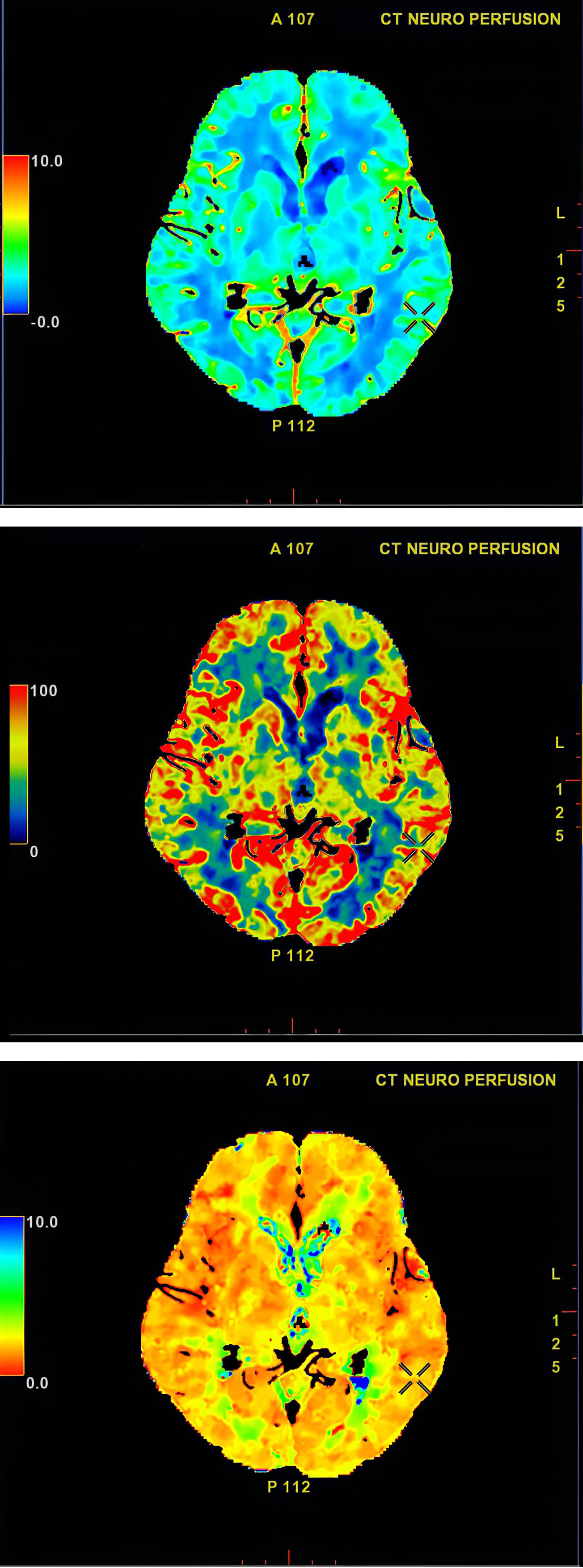
Professor Gustavo Deco, Research Professor at the Institució Catalana de Recerca i Estudis Avançats (ICREA) and Professor at the Pompeu Fabra University (UPF), proposes a comprehensive modeling of the brain to understand its functioning and how neuromodulation can treat neurological diseases. Projects stand out to understand cognitive losses associated with age and to study coma states.
Brain-computer interfaces and Virtual Reality
Professor Mavi Sánchez-Vives, ICREA Research Professor, explores how virtual reality and brain-computer interfaces can be used for physical and behavior rehabilitation, as well as to improve empathy and social skills.
Neurotechnology and rehabilitation using exoskeletons
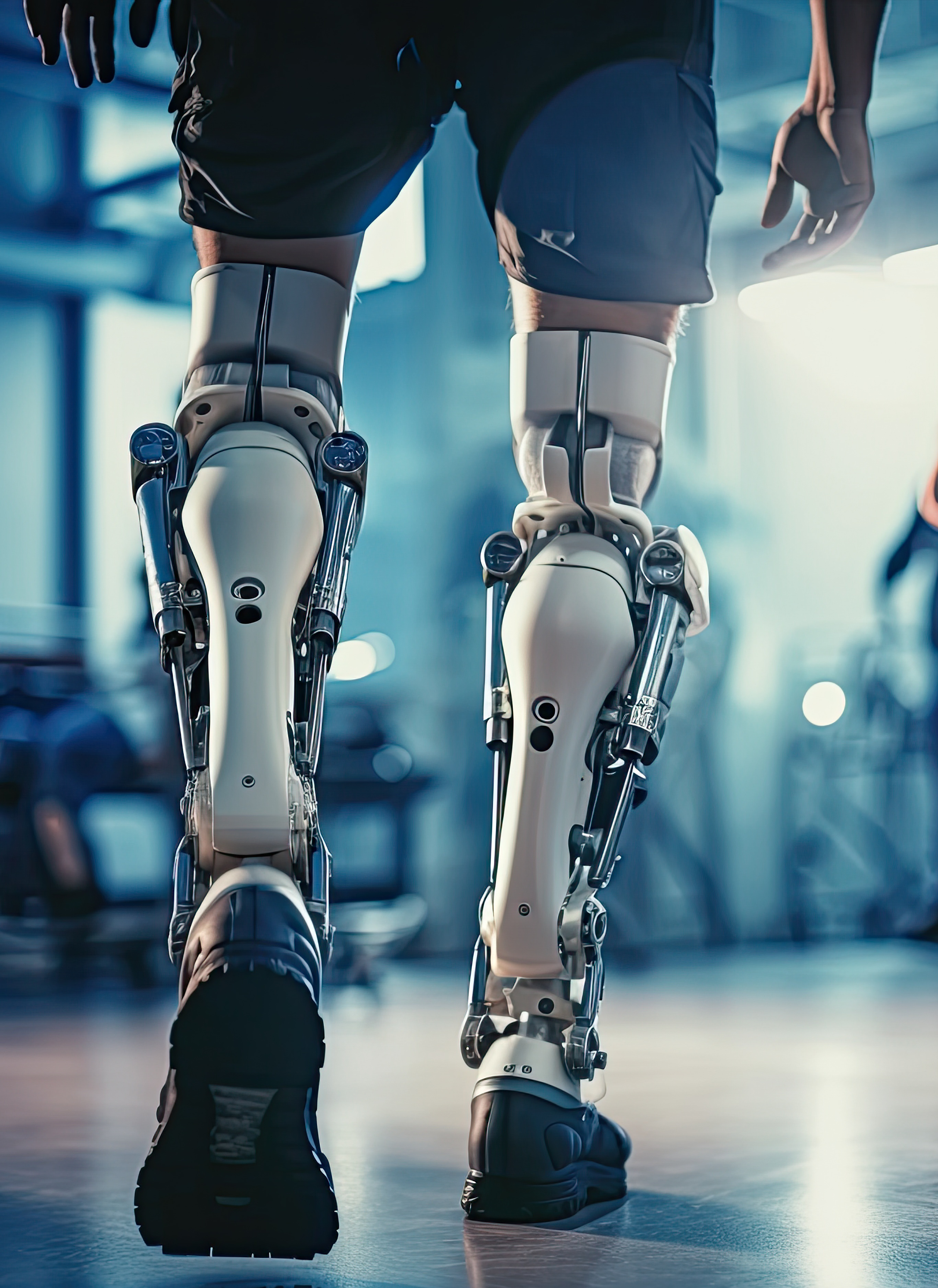
Ander Ramos-Murguialday, leader in neuroprosthetics and neurotechnology, and translational science at TECNALIA and PhD from the University of Tübingenen, leads efforts to use exoskeletons in the rehabilitation of post-stroke patients. The combination of brain-computer interfaces with exoskeletons seeks to facilitate neuroplasticity and motor recovery, although non-invasive techniques still face challenges in resolution and signal quality for motor rehabilitation.
"Neurotechnology is the set of methods, tools or devices that record or modulate the activity of the nervous system." Rafael Yuste

Research centers in AI and Neuroscience
Many research groups lead advances in AI and neuroscience in Europe and Spain, fostering robust knowledge and technology ecosystems.
EBRAINS, derived from the EU-funded Human Brain Project, facilitates neuroscience research through the interoperability of data and tools, highlighting its virtual brain model for clinical studies in epilepsy and multiple sclerosis. In contrast, CiTIUS, under the direction of Prof. Barro, Director of CiTIUS-Intelligent Technologies Research Center at the University of Santiago de Compostela stands out in the development of intelligent technologies ranging from robotics to AI, with notable projects in neurotechnology such as intelligent vision systems and immersive virtual reality for research and therapy.
Also in Spain in 2022, the launch by the Government of Spain of the National Center for Neurotechnology, Spain Neurotech, was a pioneer in Europe for the development of technological tools based on the fundamentals of the human brain. These centers, along with the US BRAIN initiative, are at the forefront, promising to transform the understanding of the human brain and the potential of AI.
From the laboratory to the market: Spanish startups in neurotechnology
Neurotechnologies emerge as a revolutionary field, moving from laboratories to the market through a network of knowledge and technological transfer, often materialized in startups as spin-offs of academic centers. It is necessary to enhance public-private collaboration to facilitate market access, facing regulatory and financial challenges in Europe.
It is vitally important to develop appropriate policies and regulatory frameworks, as well as funding avenues, to boost the neurotechnology ecosystem. Among the policies to be developed, attracting and retaining global talent is of particular relevance.
Three Spanish startups, Neuroelectrics, Bitbrain and INBRAIN Neuroelectronics, lead innovation in neurotechnology, addressing challenges such as brain stimulation and brain-computer interfaces:
These startups represent a unique approach within neurotechnology, contributing to the development of innovative solutions for the treatment of neurological conditions and the expansion of knowledge about the human brain.
Other technologies for human enhancement
Gene editing and synthetic biology
Gene editing, powered by technologies like CRISPR, promises to revolutionize the treatment of genetic diseases such as progeria and sickle cell anemia. Dr. Francis Collins, principal investigator and former Director of the US National Institutes of Health and known for his leadership of the Human Genome Project, illustrates the potential of gene editing in the fight against genetic diseases. Although it poses ethical challenges, especially in the modification of human embryos, advances in this area, such as the cure for sickle cell anemia, show a positive path towards human improvement.
RNA and human enhancement: Unveiling new horizons in nanomedicine
Nanomedicine, with the help of RNA, is at the forefront of human enhancement, enabling genetic treatments and tissue regeneration. Dr. M. José Alonso, Professor of Biopharmaceutical and Pharmaceutical Technology at the University of Santiago de Compostela, highlights the revolution that RNA represents to address root causes of diseases and promote body self-repair, along with the promising applications of nanotechnology in the effective delivery of RNA-based therapies.
AI for antibiotic discovery
AI promises to accelerate the discovery of new antibiotics and combat antibiotic resistance. César de la Fuente, Presidential Assistant Professor at the University of Pennsylvania, and his team, through machine learning, seek to create innovative antibiotics by emulating evolutionary processes, and explore the human genome to identify antimicrobial peptides, revealing a promising future in fights drug-resistant infections.
Reprogramming the bioelectric software of life
Michael Levin, a synthetic and developmental biologist at Tufts University, explores reprogramming bioelectrical patterns to influence tissue development and regeneration. His research seeks to understand and manipulate the “intelligence” of biological systems, which could have significant implications in regenerative medicine and bioengineering, opening new possibilities for the treatment of diseases and improving the healing capacity of the human body.
Harnessing evolution and resilience networks to reverse diseases
Mauro Costa-Mattioli, associate professor at Baylor College of Medicine and principal investigator at Altos Labs, investigates how biological resilience networks can be boosted to reverse disease. Their approach suggests that understanding and strengthening these networks could result in effective treatments that promote recovery and restoration of normal functions, redefining our understanding of health and disease through resilience and interaction with the microbiome.
The sociopolitical challenges of gene editing
Gene editing, although promising, faces considerable sociopolitical and ethical challenges. Joy Zhang, Founding Director of the Center for Global Science and Epistemic Justice, University of Kent, highlights the lack of international regulation and the need for equitable access to these technologies. Furthermore, it highlights the importance of including diverse perspectives in the public debate to address issues of autonomy, consent, and epistemic justice in the context of gene editing.
"The disease is a progressive failure in the homeostasis and resilience of the system. Its prevention or cure consists of repairing that failure." Mauro Costa-Mattioli

Ethics, philosophy, transhumanism and regulation
A new narrative of these technologies
The convergence of neuroscience, neurotechnology, artificial intelligence and biotechnology promises significant advances for health and well-being, although many initiatives are still in early stages. Scott Simon, writer and NPR radio host and Patron of the Bankinter Innovation Foundation, questions the allocation of funds for research and Pere Estupinyà, presenter and director of the program “El Cazador de Cerebros”, emphasizes the need to communicate these advances in an effective and accessible way to the public. Mauro Costa-Mattioli is also mentioned, suggesting a collaboration between scientists and communicators for better dissemination.
Transhumanism and future of humanity
Transhumanism seeks to improve the human condition through advanced technologies. Anders Sandberg, a senior fellow at the Future of Humanity Institute at the University of Oxford, has explored topics such as cognitive enhancement and the ethics of human enhancement. This movement, which extends the classical humanistic project, aspires to overcome both individual and collective human limitations, promoting technological improvement. From an ethical perspective, it raises debates about body modification and the financing of these improvements. In the future, transhumanism suggests that we could overcome biological limitations, enhance our capabilities, and explore digital or biological immortality. Sandberg identifies areas of action such as cognitive enhancement, the risks of AI, brain simulation and the ethics of human enhancement, linking transhumanism with neurotechnology and biotechnology to explore how these can improve and transcend human life.
Right to a human decision
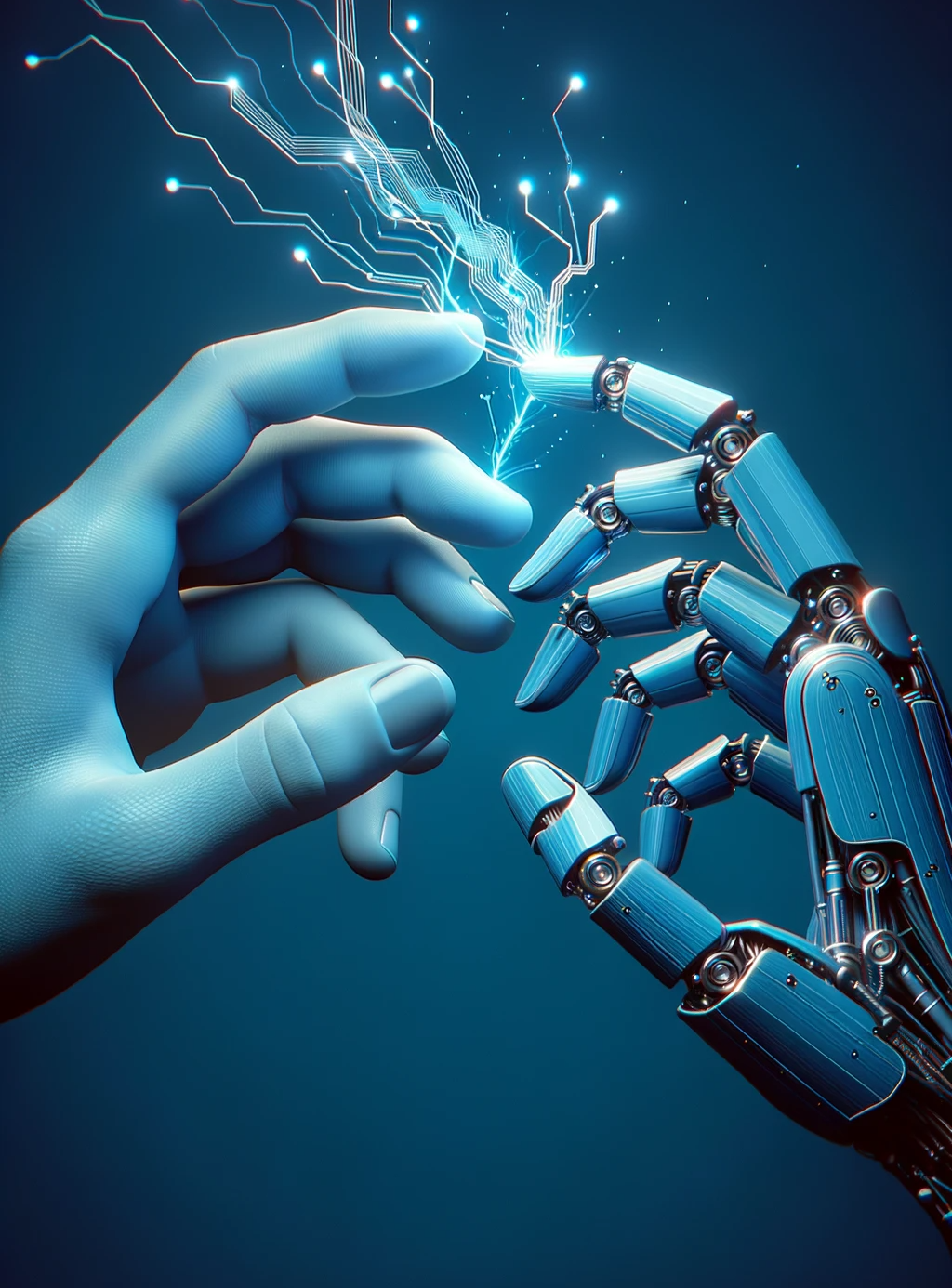
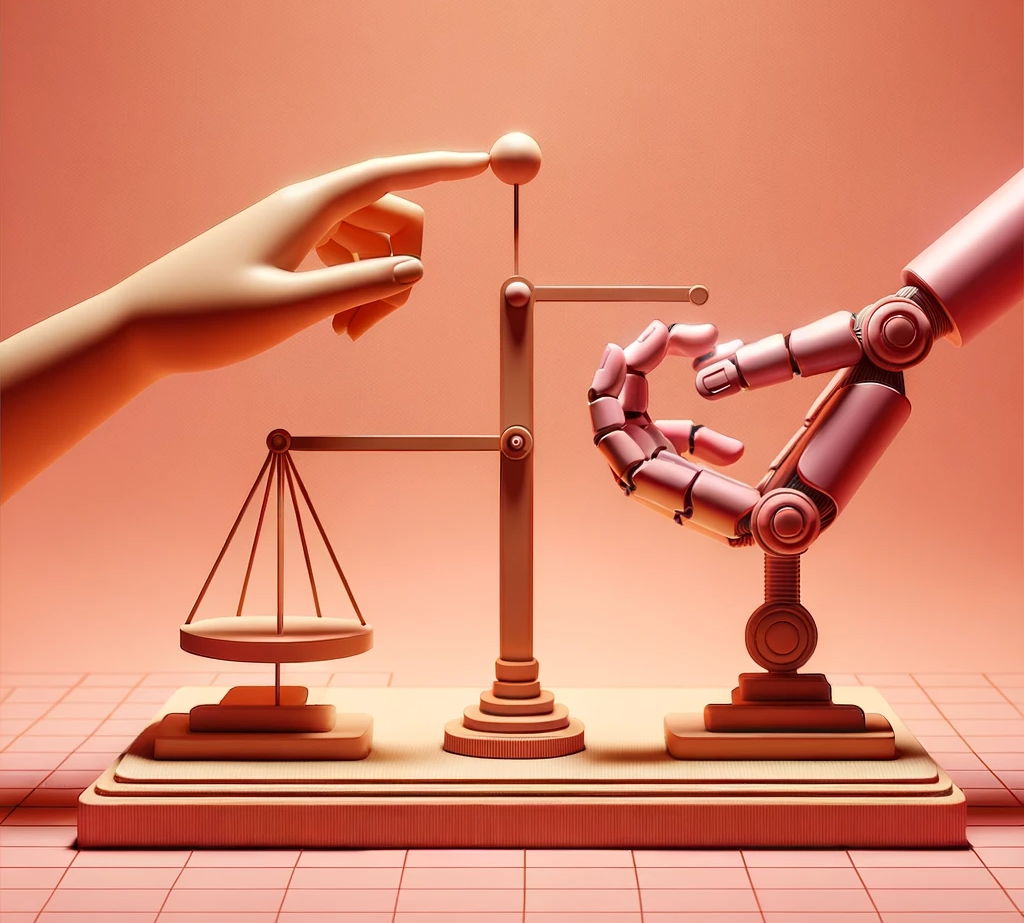
In a world rapidly moving towards automation and Artificial Intelligence (AI), the concept of the “right to a human decision” emerges, underscoring the importance of keeping humanity at the core of decision-making. This concept advocates that meaningful decisions be made by humans, not automated systems. John Tasioulas, Professor of Ethics and Philosophy of Law at the University of Oxford, an expert in ethics and philosophy of law, explains that algorithms, no matter how advanced they are, do not capture the full range of human and emotional factors that are crucial in decision-making. He points out the difficulty in accountability when an algorithm makes decisions and how this can be dehumanizing. Tasioulas is working on ethical and legal frameworks to address these challenges presented by AI, proposing a reflection on how existing human rights can be adapted to the digital age, without ruling out the introduction of new specific rights. This approach seeks to balance the efficiency and consistency of AI with human empathy, understanding and responsibility, in a joint collaboration towards justice and common well-being in society.
Political perspective on AI and the path towards reliable AI in Europe
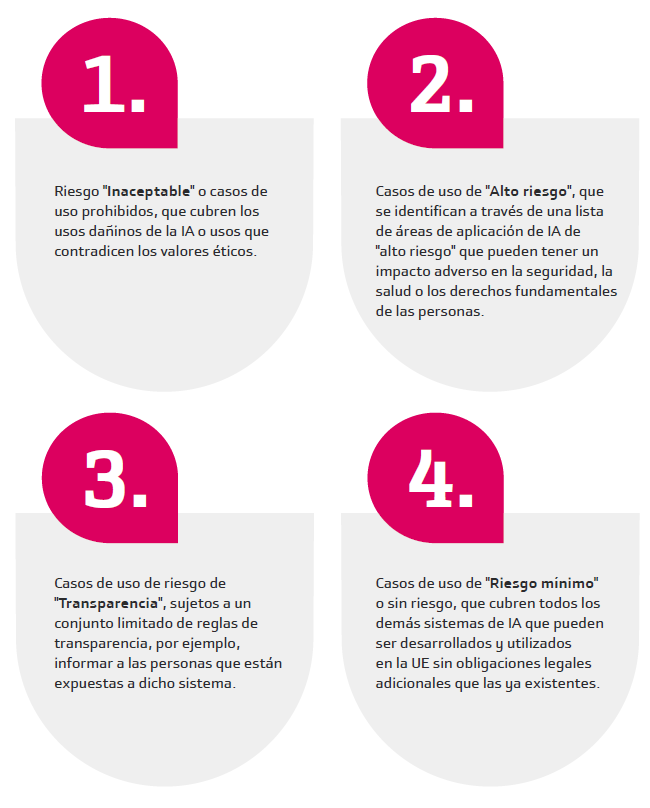
The discussion on AI ethics and regulation converges in the recent EU AI Law, which marks a milestone in European AI regulation. Isabelle Hupont, Chief Scientific Officer at the European Commission, works in the field of facial processing within the context of the European Commission’s AI Act, which establishes harmonized rules on AI.
The Act categorizes AI applications into 4 risk levels from highest to lowest, and has many explicit and implicit references to facial processing, such as the use of real-time biometric identification systems in publicly accessible spaces for the purposes of application of the law.
Transhumanism suggests that humans can and should use technology to overcome their biological limitations.
Neurorights: Ethics and neurotechnology
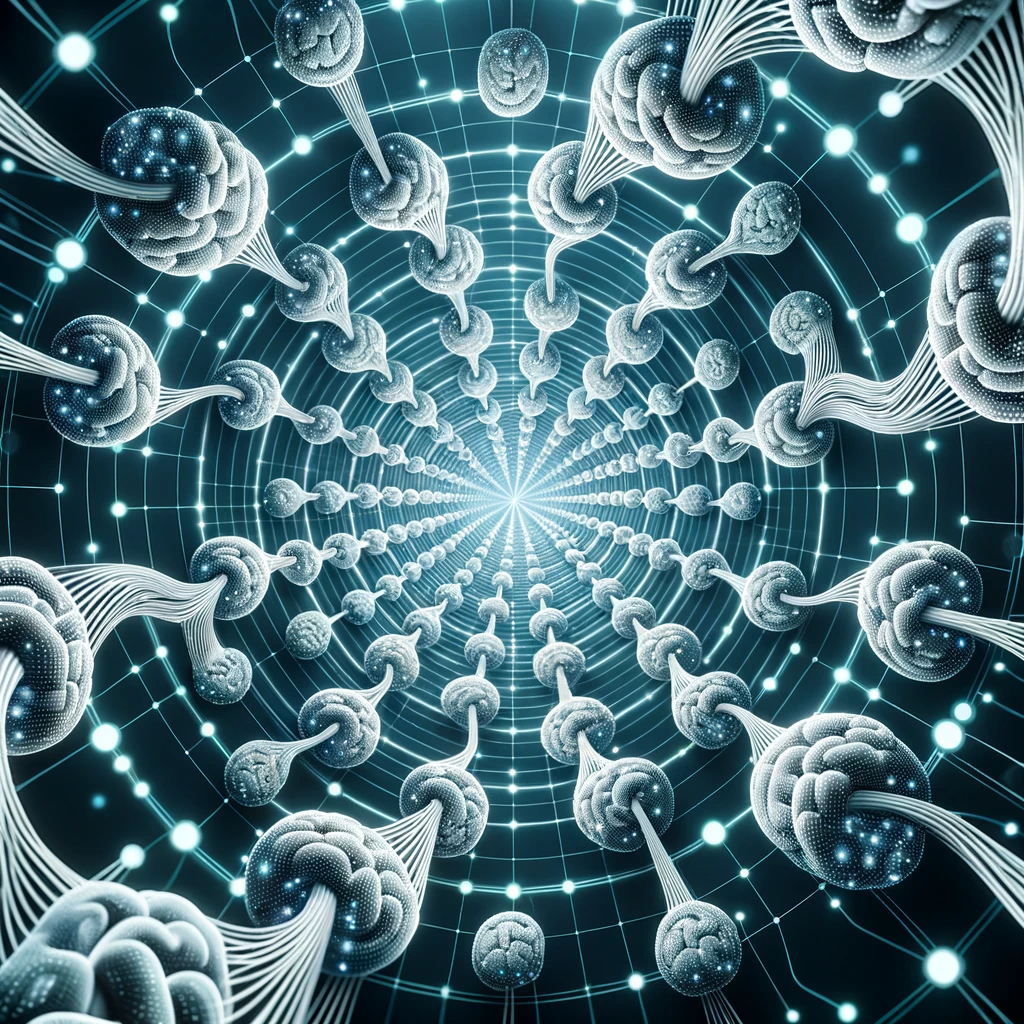
Emerging neurotechnology raises important ethical and legal dilemmas, given that it can record and modify brain activity and, therefore, mental activity. “Neurorights” emerge as a key concept to protect the human mind from possible technological abuses. Rafael Yuste, a leader in this field, advocates for the inclusion of neurorights in the UN Universal Declaration of Human Rights, proposing four specific rights:
- Right to Mental Identity: Preserve one’s identity in the face of neurotechnological interventions that may alter personality and consciousness.
- Right to Free Will: Guarantee cognitive freedom from external interventions of neurotechnology.
- Right to Mental Privacy: Protect brain activity from being decoded without consent.
- Right of Equal Access: Ensure fair access to neurotechnological improvements to avoid inequalities.
The NeuroRights Foundation, headed by Yuste, has worked to defend these rights in different jurisdictions. For example, in Chile, they advise the senate on a constitutional amendment to protect brain activity. Additionally, they have collaborated with bodies such as the United Nations and the European Union to design new neurotechnology regulations, emphasizing that the current human rights framework is not prepared for these challenges.
As part of its outreach efforts, the Foundation has produced a documentary on neurotechnology with filmmaker Werner Herzog, titled “The Theater of Thought,” which is expected to be released to the general public in the near future. This movement towards defining and defending neurorights shows a proactive and ethical response to advances in neurotechnology, evidencing the crucial intersection between ethics, law and science in the modern era.
What do you need?
We're here to help
Do you have any questions?
Contact us and we will try to resolve it as soon as possible.
Do you want to always be up to date?
Subscribe to our newsletter and don't miss any news
Do you have any questions?